

Your kitchen cabinets may be the first thing you notice when you walk into the room—but replacing them isn’t always necessary. Sometimes, a new set of doors and finishes can make an outdated kitchen feel completely different. Other times, keeping the old cabinets only delays a much-needed renovation.
That’s why understanding cabinet refacing vs replacement matters before investing in your kitchen.
Both options can improve the appearance of your space, but they differ significantly in cost, durability, storage possibilities, and long-term value.
The right choice comes down to one important question: Are you trying to change how your kitchen looks, or how your kitchen works?
cabinet refacing vs replacement: What Is the Main Difference?
The main difference is how much of your existing cabinetry stays in place.
Cabinet refacing preserves the existing cabinet boxes while updating their visible surfaces. Full cabinet replacement removes the old cabinetry and installs new units, allowing you to reconsider everything from storage capacity to kitchen layout.
Here’s how the two options compare.
| Feature | Cabinet Refacing | Cabinet Replacement |
|---|---|---|
| Cabinet boxes | Remain in place | Completely replaced |
| Doors and drawer fronts | Replaced | New |
| Kitchen layout | Usually unchanged | Can be redesigned |
| Cost | Generally lower | Generally higher |
| Installation disruption | Usually less | Usually more |
| Storage improvements | Limited | Extensive options |
| Structural damage | Not resolved by refacing alone | Damaged units can be replaced |
| Design flexibility | Moderate | High |
| Best for | Structurally sound, outdated cabinets | Damaged cabinets or major renovations |
For homeowners who already like their kitchen’s layout, refacing can be an attractive alternative. However, replacing cabinets offers greater flexibility when the current kitchen no longer meets everyday needs.
What Is Kitchen Cabinet Refacing?
Kitchen cabinet refacing is a renovation process that updates the exterior appearance of existing cabinets without removing their main structural boxes.
Rather than demolishing an entire cabinet system, the work typically involves removing old doors and drawer fronts, applying new veneer or laminate to visible cabinet surfaces, and installing updated hardware.
What gets replaced during cabinet refacing?
A typical refacing project may include:
- New cabinet doors in a different style or finish.
- Replacement drawer fronts.
- Matching veneers or surface coverings.
- New cabinet handles, knobs, or pulls.
- Updated hinges, including soft-close options where compatible.
- Minor cosmetic improvements to exposed cabinet surfaces.
The cabinet boxes, internal dimensions, and overall kitchen arrangement generally remain unchanged.
For example, imagine a kitchen with sturdy oak cabinets installed 15 years ago. The drawers operate properly, the shelving is stable, and the layout is convenient—but the raised-panel doors make the kitchen feel outdated.
Replacing those doors with a simple Shaker-style design could create a cleaner appearance without rebuilding the entire kitchen.
When does refacing make the most sense?
Cabinet refacing is usually a good candidate when the cabinet boxes are dry, secure, structurally sound, and properly aligned.
It can also make sense when homeowners want to preserve existing countertops, reduce demolition, or complete a cosmetic update without significantly interrupting everyday routines.
When comparing cabinet refacing vs replacement, remember that new doors cannot correct weak cabinet structures, awkward appliance placement, or inadequate storage.
What Does Full Kitchen Cabinet Replacement Involve?
Cabinet replacement involves removing existing cabinet units and installing new cabinetry.
Unlike refacing, this approach allows homeowners to improve both the appearance and functionality of their kitchens.
Depending on the project, the replacement process may include removing existing cabinets, evaluating walls and floors, modifying the layout, installing new cabinet boxes, and coordinating countertops, plumbing, electrical work, and appliances.
What can you change with new kitchen cabinets?
Replacing cabinets creates opportunities that refacing cannot easily provide, including:
- Installing deeper drawers for pots and pans.
- Adding tall pantry cabinets and specialized organizers.
- Changing cabinet heights and widths.
- Improving difficult-to-reach corner storage.
- Reconfiguring cabinets around appliances.
- Creating space for an island or peninsula.
- Choosing stock, semi-custom, or custom cabinetry.
For example, a kitchen with narrow walkways, limited preparation space, and inaccessible corner cabinets may look better after refacing, but the underlying frustration will remain.
In that situation, new cabinetry combined with thoughtful space planning may deliver better long-term value.
If your renovation involves more than updating cabinet doors, explore the kitchen remodeling services in Pike County, PA offered by Wallenpaupack Builders.
Cabinet Refacing vs Replacement Cost: Which Saves More Money?
Cost is often the biggest factor when deciding between the two approaches. Refacing usually requires fewer materials and less demolition, making it less expensive than a comparable full replacement project.
According to national cost guidance from Angi, refacing can cost approximately 30%–50% less than replacing comparable custom or semi-custom cabinets, although affordable stock cabinet replacements may be priced closer to some refacing projects.
Hidden expenses homeowners should consider
Refacing estimates may increase when cabinet boxes need repairs, existing hardware is incompatible, or additional trim and finishing work becomes necessary.
Replacement projects can involve additional expenses for countertop removal, backsplash repairs, plumbing adjustments, electrical modifications, or flooring work.
For a meaningful cabinet refacing vs replacement comparison, request detailed estimates that account for everything needed to achieve the finished result—not just cabinet materials.
Is the cheapest option always the smartest?
Not necessarily.
Consider a homeowner who spends several thousand dollars refacing cabinets that have hidden moisture damage. If those boxes begin failing shortly afterward, the homeowner may eventually pay for replacement as well.
A slightly higher upfront investment in new cabinetry could be more economical over time when the original structures are approaching the end of their useful life.
The important question isn’t simply Which option costs less today? It’s Which investment solves the problem for the longest reasonable period?
How Long Do Refaced Cabinets Last Compared to New Cabinets?
The durability question in cabinet refacing vs replacement depends on the condition of the cabinet boxes, the quality of the materials, and how well the kitchen is maintained.
Refaced cabinets retain their original structure, meaning the finished result is only as dependable as the boxes beneath the new surfaces.
If those boxes are sturdy, dry, and well-built, professional refacing can provide many additional years of use.
However, cabinets with swelling particleboard, loose joints, sagging shelves, or deteriorating materials won’t become structurally stronger because new doors have been installed.
New cabinets offer a fresh structural starting point and can incorporate stronger materials, modern hardware, and updated storage systems. Their lifespan still depends on construction quality, installation, exposure to moisture, and daily use.
The takeaway: Refacing renews the exterior; replacement renews the cabinetry itself.
Five Signs You Should Replace Your Kitchen Cabinets Instead of Refacing Them
Sometimes the condition of your cabinets makes the decision easier.
1. Water damage under the sink
Check the cabinet beneath your kitchen sink, especially the bottom panel and corners around plumbing connections.
Swollen particleboard, discoloration, softened surfaces, or delamination may indicate water exposure.
The moisture source should be identified and corrected before any cabinetry improvements begin.
2. Cabinets are pulling away from the wall
Cabinets that are shifting, separating, or becoming unstable may have problems with their structure or installation.
Cosmetic refacing will not resolve insecure mounting or damaged support materials.
3. Doors and drawers no longer align properly
Occasional alignment problems may be corrected through hinge adjustments.
But widespread sagging, warped cabinet boxes, and repeated drawer failures can suggest deeper structural deterioration.
4. Your kitchen has poor storage
Do you constantly move items around to reach cookware? Are small appliances taking over your countertops because there’s nowhere to store them?
Refacing won’t significantly change your storage capacity. Replacement allows you to reconsider cabinet dimensions, drawer configurations, and accessibility.
5. You want to change your kitchen layout
Moving a refrigerator, expanding an island, or creating a more open cooking area usually requires more than cosmetic cabinet updates.
When the entire kitchen needs to function differently, cabinet replacement is often part of a larger remodeling plan.
For additional planning advice, read our article on common kitchen remodeling mistakes to avoid before making major renovation decisions.
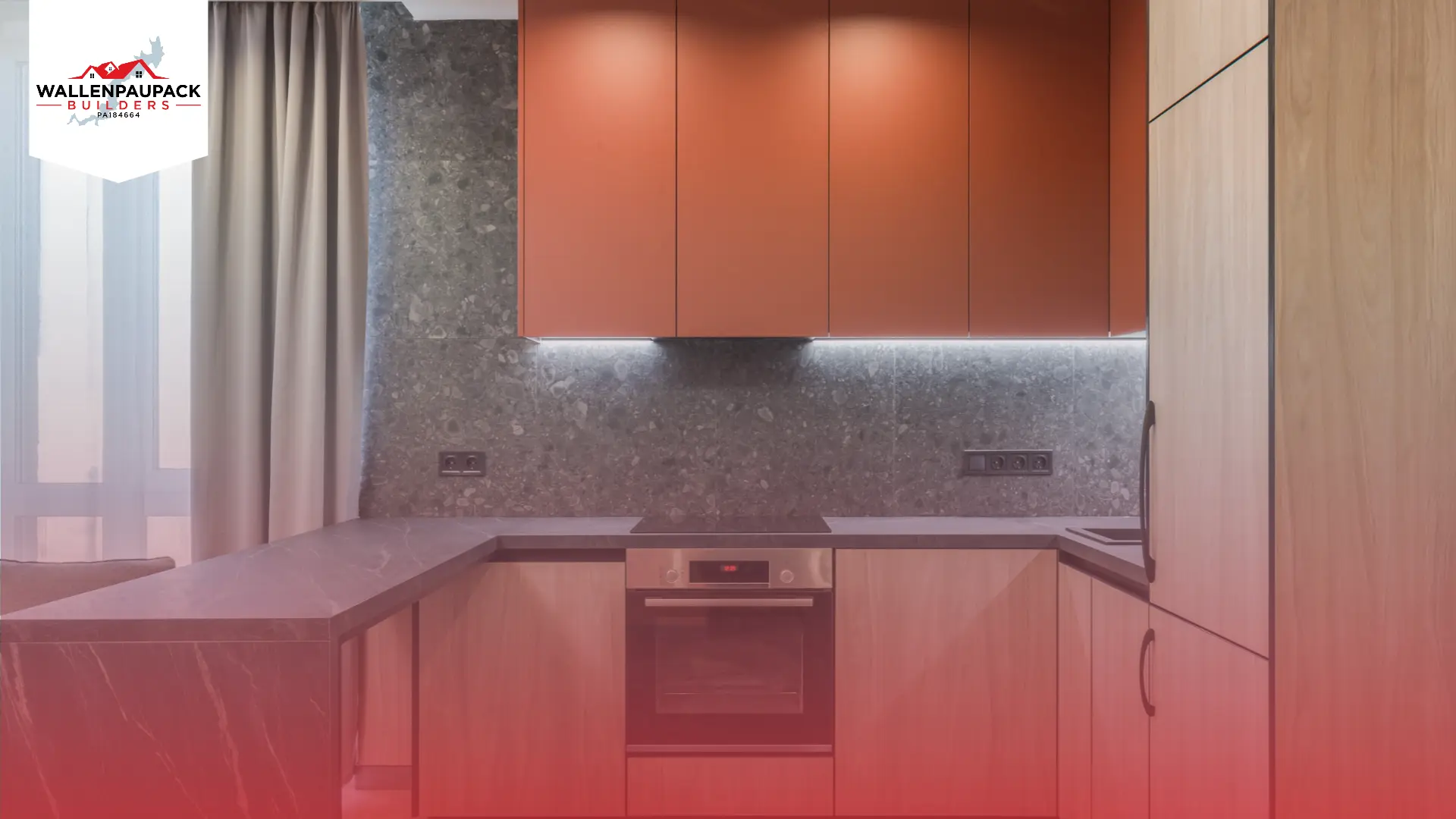
Cabinet Refacing vs Replacement: Which Option Works Best for Your Kitchen?
Rather than choosing based only on price, think about what you want your kitchen to accomplish over the next five to ten years.
A kitchen that already functions well may need nothing more than updated doors, finishes, and hardware. But a kitchen that feels cramped, disorganized, or inconvenient may benefit much more from replacement.
Choose cabinet refacing if:
- Your existing cabinets are structurally sound.
- You’re satisfied with the current layout.
- You want a noticeable design update without extensive demolition.
- Your kitchen already offers enough storage.
- You prefer to keep your existing countertops and appliances.
Choose cabinet replacement if:
- The cabinet boxes show substantial wear or moisture damage.
- You want to change the layout or improve traffic flow.
- Your family needs more accessible storage.
- You’re planning a larger kitchen renovation.
- You want new cabinet dimensions, materials, or interior configurations.
There’s also a third option worth considering: professionally repainting or refinishing existing cabinets. When cabinet doors and boxes remain in excellent condition, refinishing may provide a lower-cost appearance update without replacing the doors.
The best solution depends on the condition of the cabinetry and your priorities.
What Should Pike County Homeowners Consider Before Making a Decision?
Homes around Greentown, Lake Wallenpaupack, and other Pike County communities can have very different remodeling requirements.
An older residence may have uneven surfaces, outdated kitchen configurations, or plumbing that needs attention. A vacation property may prioritize durable finishes, convenient storage, and materials that require relatively little upkeep.
When evaluating cabinet refacing vs replacement in an existing Pennsylvania home, consider three things beyond appearance.
Moisture and seasonal conditions
In lake-area homes and seasonal properties, it’s especially important to inspect cabinets around sinks, dishwashers, exterior walls, and other moisture-prone locations.
Don’t assume cabinets are suitable for refacing simply because their doors still look attractive.
The age and layout of the kitchen
Older cabinet layouts were not always designed around today’s larger refrigerators, built-in appliances, or modern storage preferences.
If appliance clearance, countertop space, and everyday workflow are already causing problems, preserving the same cabinet configuration may not be worthwhile.
The scope of future renovations
Are you planning to replace your countertops, flooring, or appliances within the next few years?
If so, consider whether coordinating those improvements with cabinet replacement would avoid duplicated labor or unnecessary disruption.
Making cabinet decisions as part of a larger renovation plan can help prevent expensive changes later.
cabinet refacing vs replacement: Five Questions to Ask Before Getting Estimates
Before committing to a contractor or selecting materials, ask yourself:
- Are the cabinet boxes worth keeping? Look for moisture damage, weak joints, misalignment, or sagging.
- What frustrates me most about my kitchen? Separate cosmetic concerns from layout and storage problems.
- Will my existing countertops remain? Removing or replacing countertops can change the project scope significantly.
- How long do I plan to stay in this home? Consider how the renovation fits your long-term plans.
- Have I compared the complete costs of both options? Include hardware, installation, associated repairs, and finishing work.
These questions can help you avoid paying for improvements that don’t address the problems you actually want to solve.
Make the Right Cabinet Decision With Wallenpaupack Builders
A successful kitchen update should do more than make your cabinets look attractive. It should make your home more comfortable, improve everyday functionality, and support your long-term needs.
At Wallenpaupack Builders, we help homeowners in Pike County, Greentown, and the Lake Wallenpaupack area plan kitchen remodeling projects around their existing space, design preferences, and renovation goals.
Whether you’re weighing cabinet refacing vs replacement or considering a complete kitchen transformation, evaluating the condition of your existing cabinets is an important first step.
Our team can help you explore cabinet replacement, storage improvements, layout changes, countertops, and other kitchen remodeling possibilities.
Ready to Upgrade Your Kitchen?
Don’t invest in new cabinet finishes before understanding whether your existing cabinetry is worth keeping.
Talk with Wallenpaupack Builders about your kitchen renovation goals and request an estimate tailored to your home.
Request Your Free Kitchen Remodeling Estimate or call (570) 921-9999.
You can also find Wallenpaupack Builders on Google Maps to view our business location and customer feedback.
Frequently Asked Questions
Is it cheaper to reface kitchen cabinets or replace them?
Refacing is generally less expensive than replacing comparable custom or semi-custom cabinets because the existing cabinet boxes remain in place. However, affordable stock cabinet replacements may cost roughly the same as premium refacing projects. The final price depends on cabinet condition, materials, kitchen size, and labor.
Is cabinet refacing worth the money?
Cabinet refacing can be a worthwhile investment when the original cabinet boxes are structurally sound and the kitchen layout already works well. It offers a visual update without the expense of replacing the entire cabinetry system. It becomes less attractive when significant repairs or storage improvements are necessary.
Can you reface kitchen cabinets that have water damage?
Refacing isn’t recommended over cabinets with unresolved moisture problems or structural deterioration. Minor cosmetic damage may be repairable, but swollen, softened, or deteriorating cabinet boxes often require more extensive repairs or replacement. The source of moisture must also be corrected.
Can you change your kitchen layout when refacing cabinets?
Generally, no. Cabinet refacing preserves the existing boxes and their positions. Homeowners who want to relocate appliances, install different cabinet sizes, or significantly improve storage should consider replacement as part of a broader kitchen remodeling project.
How long does kitchen cabinet refacing take?
Many straightforward refacing installations take approximately two to five working days once materials are ready. Custom doors, repairs, additional finishing, and scheduling requirements can extend the overall project timeline.
Does cabinet refacing include new countertops?
Not usually. Cabinet refacing typically focuses on the doors, drawer fronts, hardware, and visible cabinet surfaces. Existing countertops can often remain in place, although the exact scope depends on the project and the condition of the kitchen.
Is it better to paint kitchen cabinets or reface them?
Painting or refinishing may be sufficient when the existing cabinet doors are in good condition and you mainly want a different color. Refacing is more appropriate when you want a different door style or exterior finish while retaining the existing cabinet structure.
Does replacing kitchen cabinets increase home value?
New cabinets can improve a kitchen’s appeal, functionality, and perceived condition. However, the impact on resale value depends on the quality of the renovation, the local housing market, and how well the finished design meets buyers’ expectations. A costly replacement doesn’t guarantee that every dollar will be recovered.
Should I replace my kitchen cabinets before selling my house?
Not always. If the cabinets are functional and in good condition, cleaning, repairing, painting, or refacing them may be enough to improve presentation. Replacement may be more appropriate when the cabinetry is visibly damaged or the layout significantly limits the kitchen’s appeal.
How do I know whether my kitchen cabinets can be refaced?
Start by examining the cabinet boxes, shelves, joints, and areas near plumbing for moisture damage, sagging, or instability. If the structure is sound and the existing layout meets your needs, refacing may be possible. A professional evaluation can help you weigh cabinet refacing vs replacement and determine whether keeping the cabinets is sensible.