

Yes, you can often live in your house during a kitchen remodel, provided you have working bathroom facilities, essential utilities, and a living area separated from construction. However, staying home is not practical for every project. Major structural changes, extended utility interruptions, or work that cannot be safely isolated may require temporary accommodation.
The key to living through a kitchen remodel is planning how your household will function before demolition begins. You need somewhere to prepare meals, a realistic understanding of disruptions, and clear communication with your contractor. Here is how to decide whether staying makes sense and prepare for the weeks ahead.
When Can You Stay Home During Renovation?
Start with the scope of work. Replacing cabinets and countertops while keeping the existing layout creates different challenges from removing walls or relocating plumbing. Ask your contractor which rooms will remain accessible and how workers will move materials through the property.
Staying is generally more manageable when bedrooms and bathrooms remain usable, access routes stay clear, and construction can be contained. A separate dining room or spare room can also make daily routines easier.
For homeowners living through a kitchen remodel, the most useful question is not simply whether sleeping at home is possible. It is whether eating, working, washing, and moving around the house will remain manageable throughout each construction phase.
When Is Moving Out the Better Option?
Temporary accommodation may be worth considering when the renovation affects several connected rooms or leaves no practical space outside the work zone. A household with young children, curious pets, or someone who needs a quiet daytime environment may find the disruption particularly difficult.
Discuss relocation before work begins if the project includes extensive demolition, structural alterations, or prolonged interruptions to water or electricity. If suspected hazardous materials are discovered, follow the qualified professionals’ instructions about access and occupancy.
You do not necessarily need to leave for the entire project. For some families, living through a kitchen remodel works best with a short stay elsewhere during the most disruptive stages. Ask which phases might justify that arrangement before booking accommodation.
Set Up a Temporary Kitchen Before Demolition
A temporary kitchen gives your household a predictable place to handle breakfast, snacks, and simple meals. Choose a location outside the construction area with a stable preparation surface, suitable electrical outlets, and convenient access to water.
Keep the setup small. Useful essentials include a refrigerator, microwave, coffee maker, cutting board, basic utensils, and covered food containers. Use appliances according to their instructions, including clearance and electrical requirements. Ask about suitable circuits rather than assuming every appliance can run together.
One practical rule for living through a kitchen remodel is to unpack only what you will use regularly. A few plates and everyday ingredients are easier to manage than boxes of cookware spread across several rooms. Keep food preparation away from construction dust and tools.
Plan Meals and Dishwashing Together
Think beyond where you will cook. Decide how you will wash utensils, store leftovers, and dispose of food waste without entering the work area. Ask whether a suitable utility sink will remain available and establish a practical cleaning arrangement before losing the kitchen sink.
Build meals around your temporary equipment. Sandwiches, salads, microwave meals, and prepared portions can reduce preparation and cleanup. Freeze suitable meals beforehand if you will retain freezer access.
Budget for occasional takeout, but avoid making it your only plan. Restaurant spending can accumulate quickly, especially for larger households. A simple weekly menu helps keep costs predictable and gives everyone one less decision to make after a noisy day.
Discuss Dust Control and Household Access
Dust management should be part of the preconstruction conversation. Ask how the work area will be separated, where debris will leave the house, and what cleanup will happen at the end of each day. Protective barriers help define boundaries, but they should not be treated as a promise that surrounding rooms will remain completely dust-free.
Pack away nearby fabrics, decorations, and frequently handled items. Agree on how ventilation and nearby heating or cooling openings will be managed for the work being performed.
Successful living through a kitchen remodel also depends on respecting restricted areas. Keep children and pets outside the construction zone, and confirm when household members can safely pass through shared routes. Do not cross barriers to retrieve something from an unfinished cabinet.
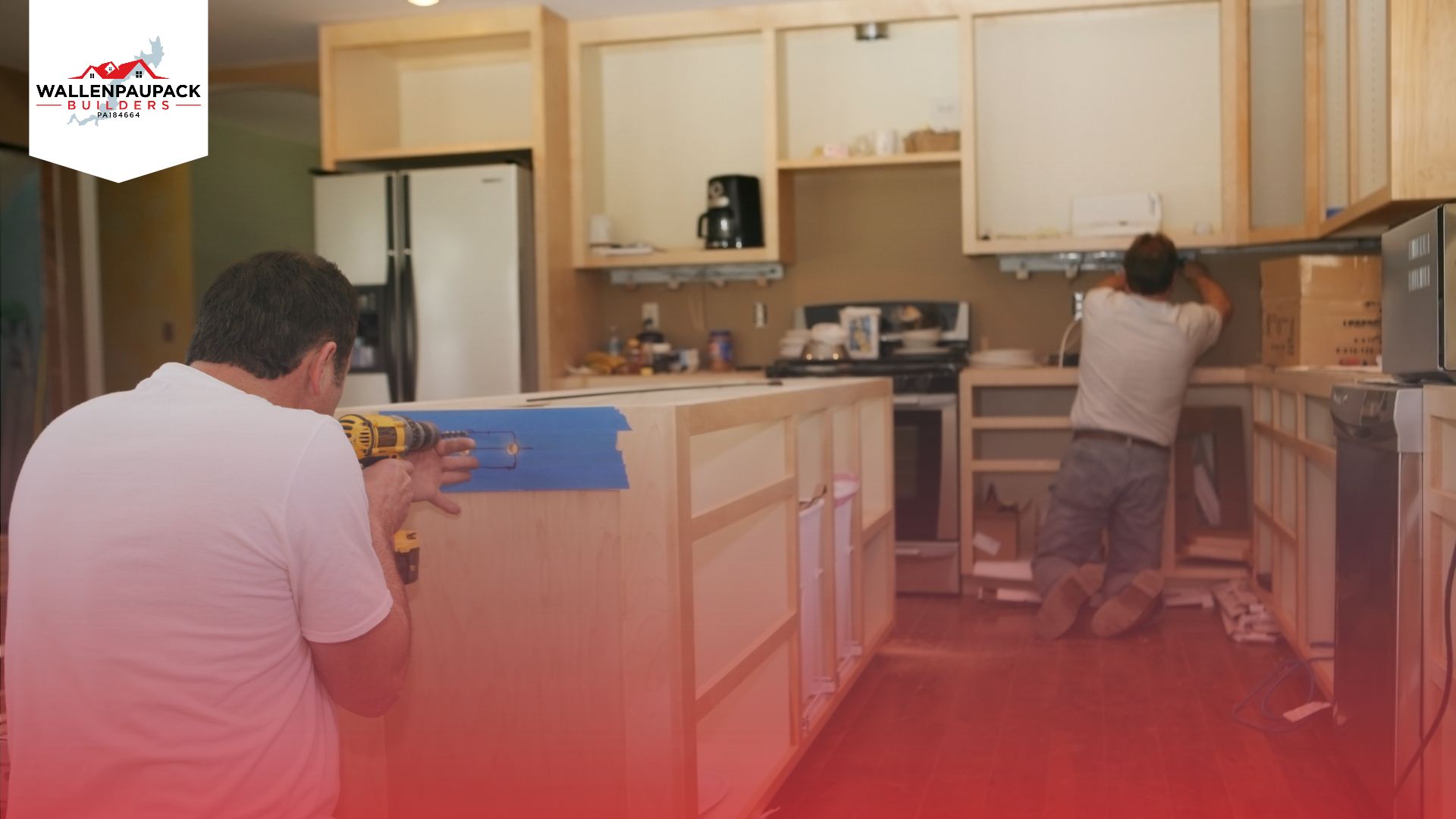
Understand the Schedule Before Making Plans
Ask for a schedule organized around milestones rather than relying only on a projected completion date. Important stages include demolition, rough plumbing and electrical work, inspections where required, cabinet installation, countertop measurement and installation, and final connections.
Not every stage happens continuously. Material availability, inspection scheduling, and conditions discovered behind walls can affect sequencing. Ask which materials should be available before demolition and which decisions you must finalize early.
When living through a kitchen remodel, knowing when the sink, refrigerator, and cooking appliances will be unavailable is especially valuable. Request updates when those dates change. A usable refrigerator does not mean the entire kitchen is ready for everyday use.
Protect Work, School, and Family Routines
Construction noise can interrupt video calls, homework, naps, and normal conversations. Discuss expected working hours and ask for advance notice of particularly loud activities. If you work remotely, arrange an alternative location for meetings that cannot tolerate interruptions.
Create a daily reset routine outside the work zone. Keep keys, school supplies, pet equipment, and essential paperwork in one accessible place. Move medications and other necessities out of cabinets that will become inaccessible.
The emotional side of living through a kitchen remodel matters too. Decide who communicates with the contractor and how household questions will be collected. A shared list reduces conflicting requests and makes it easier to address concerns without interrupting work repeatedly.
Budget for the Cost of Staying Home
Remaining at home may reduce accommodation expenses, but it still creates costs. Consider temporary cooking equipment, prepared meals, laundry arrangements if access changes, pet care, and occasional workspace rental.
Compare those expenses with a short rental or hotel stay during disruptive phases. Include convenience in the decision: a lower direct cost may still involve significant travel, cleanup, or missed working time.
Before committing to living through a kitchen remodel, set aside a household disruption allowance separate from the construction budget. Also discuss how unexpected project conditions and requested changes will be priced and approved. Clear decisions help prevent financial surprises from becoming daily stress.
Before demolition day, photograph the rooms beside the kitchen and confirm where deliveries will be placed. Label stored boxes by contents so essential items stay easy to find. These small preparations make living through a kitchen remodel less frustrating when routines change. Keep a written backup plan for meals, overnight stays, and important calls during unexpected schedule changes.
Plan Your Pike County Kitchen Remodel
For homeowners in Greentown, Milford, and the Lake Wallenpaupack area, the best plan starts with an assessment of the existing kitchen and household needs. A primary residence may need a different construction schedule from a vacation property that can remain empty between visits.
Explore our kitchen remodeling services in Pike County, PA to learn about layout planning, cabinets, countertops, flooring, and finishes. Discuss your occupancy plans during the initial consultation so access and temporary arrangements can be considered alongside the design.
If you are also considering improvements beyond the kitchen, visit Wallenpaupack Builders to explore our residential remodeling and construction services.
Ready to Plan a More Manageable Renovation?
Thoughtful preparation makes living through a kitchen remodel easier to organize. Contact Wallenpaupack Builders to discuss your kitchen, household routines, and renovation goals. Call 570-921-9999 or request a free estimate. You can also find Wallenpaupack Builders on Google Maps. Start with a practical plan for your home.
Frequently Asked Questions
How difficult is living through a kitchen remodel?
The difficulty depends on project scope, household routines, and available space. Losing the sink and cooking area is often a major inconvenience. A separate temporary kitchen, clear boundaries, and regular schedule updates can make the experience more manageable.
How long will I be without a working kitchen?
There is no universal timeframe. Cabinet work, countertop fabrication, utility connections, and inspections can affect when specific functions return. Ask your contractor for project-specific milestones and distinguish partial access from a fully completed kitchen.
Can I keep my refrigerator during construction?
Often, a refrigerator can be relocated temporarily if there is suitable space and power. Agree on its location before work starts so it does not obstruct workers, exits, or material deliveries. Confirm any appliance moving arrangements with your contractor.
Should I leave during demolition?
Leaving during working hours may be convenient because demolition can be noisy and disruptive. Whether you can remain elsewhere in the house depends on containment, access, and the work involved. Discuss the plan beforehand and follow restrictions communicated by your contractor.
How do you prepare meals without a kitchen during a remodel?
Set up a temporary kitchen outside the construction area with a refrigerator, microwave, and a small preparation surface. Plan simple meals around the equipment available, and decide how you will wash dishes before demolition begins. Preparing and freezing meals ahead of time can also reduce daily cooking and takeout costs.
Is it cheaper to stay home or move out during a kitchen remodel?
Staying home can save accommodation costs, but consider extra spending on takeout, temporary appliances, pet care, and alternative workspaces. Compare those expenses with a short stay elsewhere during the most disruptive phases. The better choice depends on your renovation scope, household needs, and how much usable space remains.