

A bathroom does not need a puddle on the floor to have a moisture problem. Sometimes the first clue is a smell that returns after cleaning. Sometimes it is a loose tile, peeling paint in the next room, or a ceiling stain directly downstairs.
Common signs of water damage behind shower tiles include persistent dampness, recurring discoloration, loose tiles, deteriorating nearby finishes, and musty odors. None proves a hidden leak alone. What matters is the pattern: where the symptom appears, whether it returns, and whether it changes after shower use.
Read the Pattern, Not Just the Stain
Bathrooms experience moisture every day. Condensation on a mirror is different from a wall that stays damp long after the room dries. Likewise, one cracked grout joint does not automatically mean the framing behind it is damaged.
When evaluating water damage behind shower tiles, look for several clues occurring together. A recurring stain beside a shower curb deserves more attention when the adjacent baseboard also swells. Take dated photographs and note whether changes follow shower use. This record helps a professional narrow the investigation without relying on memory.
Seven Warning Signs Worth Investigating
1. Grout That Keeps Darkening in One Area
Grout can look darker when wet, and staining can come from soap residue or ordinary surface buildup. The concern is a concentrated patch that remains darker than surrounding joints or repeatedly returns after appropriate cleaning and drying.
Pay attention near corners, benches, niches, and the bottom of the shower wall. Recurring dampness may warrant investigation, but appearance alone cannot reveal whether the problem is surface moisture, a plumbing leak, or failed waterproofing.
2. Tiles That Loosen, Shift, or Bulge
A tile that moves or separates from the wall suggests a problem with the installation or supporting materials. Moisture is one possible cause; poor bonding and movement are others.
Loose tiles can accompany water damage behind shower tiles, especially when nearby grout is deteriorating or adjacent finishes show staining. Avoid pressing hard, pulling tiles away, or using the shower to test the problem. Detached materials can fall, and unnecessary disturbance can complicate an inspection.
3. A Musty Smell That Returns
An odor that persists after routine cleaning and ventilation deserves attention. Check obvious sources first, including damp towels, bathmats, and accessible areas around fixtures.
A musty smell does not confirm hidden mold or identify its location. However, when it appears alongside recurring dampness or damaged finishes, it supports investigating a moisture source. Painting over the area or adding fragrance changes the symptom without addressing why moisture is present.
4. Peeling Paint or Swollen Trim Nearby
The most revealing clue may sit outside the shower. Look at the wall behind the bathroom, the baseboard beside the enclosure, and the doorway trim. Bubbling paint, lifting finishes, or swollen wood can indicate moisture reaching materials beyond the tiled surface.
Because water can travel, the visible damage may not sit directly beside the source. Suspected water damage behind shower tiles should be evaluated alongside nearby plumbing and surrounding rooms rather than treated as an isolated tile problem.
5. Cracks That Reappear After Repairs
A repaired joint that repeatedly cracks may reflect movement, installation deficiencies, or an unresolved condition underneath. More grout is not automatically the answer.
Photograph the recurring location and tell your contractor what was repaired previously. That history can be more useful than a freshly covered joint. Persistent cracking needs a cause identified before another cosmetic repair hides the evidence.
6. Staining on the Ceiling Below
A yellow or brown ceiling mark beneath a bathroom is a reason to investigate promptly. Possible sources include supply piping, drains, the shower assembly, or another nearby fixture.
If staining spreads after bathing, report that timing, but do not assume it proves the shower wall is responsible. Active dripping, a sagging ceiling, or water near electrical fixtures requires urgent professional attention. Keep people away from the affected area rather than opening the ceiling yourself.
7. Dampness Outside the Shower After Use
Water beside the enclosure can come from a door seal, splash escaping the opening, or a deeper assembly problem. Record where it appears without repeatedly running the shower as an experiment.
Water damage behind shower tiles becomes a stronger concern when exterior dampness accompanies loose finishes, recurring stains, or persistent odors. A professional can distinguish an enclosure leak from a problem involving the drain, plumbing, or waterproofing.
Why Intact Tile Can Hide a Problem
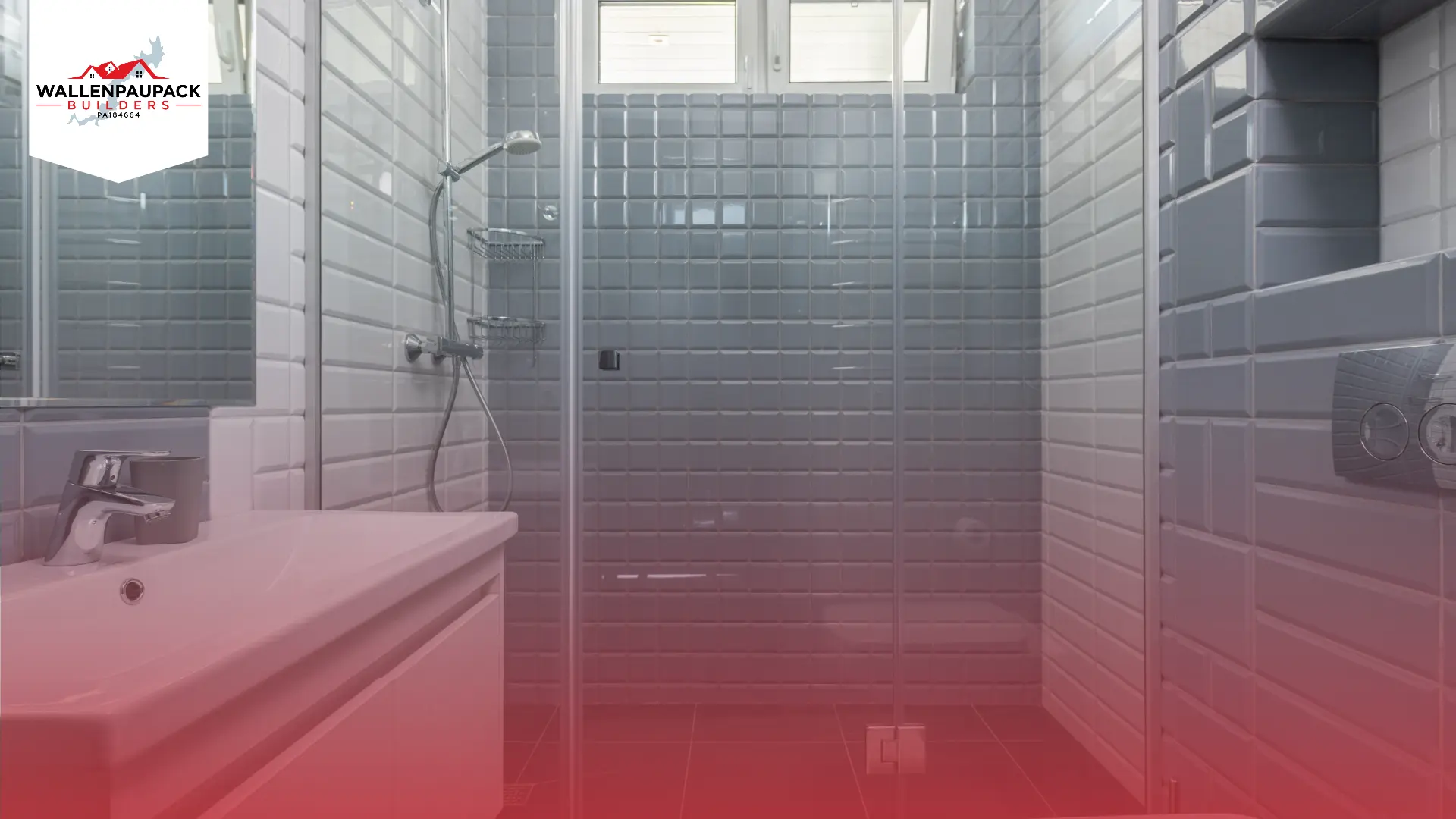
A tiled shower is an assembly, not simply a decorative surface. Tile and grout alone do not create a waterproof enclosure. As Schluter explains in its shower waterproofing guidance, protection depends on the waterproofing system beneath the finish.
Possible trouble points include poorly connected waterproofing details, plumbing penetrations, corners, and transitions around the shower base. Leaking pipes can also introduce water from behind an otherwise intact surface.
That is why sealing grout cannot be assumed to fix water damage behind shower tiles. The repair must address the actual entry point and any affected supporting materials.
What to Do Before Anyone Removes Tile
If you suspect an active shower leak, stop using that shower until it is assessed. Use another bathroom if available. Photograph visible changes, protect belongings outside the affected area, and contact an appropriate contractor or plumber.
Avoid drilling exploratory holes, pulling loose tiles, or covering symptoms with fresh caulk before the cause is understood. If a supply leak is suspected, arrange prompt plumbing assistance.
The EPA’s moisture and mold guidance emphasizes addressing moisture and drying water-damaged materials within 24–48 hours to help prevent mold growth. That guidance is a reason to act promptly, not proof that a concealed wall has dried simply because its surface looks normal.
How Professionals Investigate and Plan Repairs
An assessment for water damage behind shower tiles should begin with the symptoms and surrounding conditions. A professional may inspect adjacent rooms, review plumbing connections, compare moisture readings, and recommend a limited opening when necessary. Instruments provide clues; they do not automatically establish the source or full extent of damage.
Repair scope depends on what is found. An accessible plumbing defect differs from a failed shower assembly. Where opening is necessary, the plan may include removing affected finishes, repairing damaged materials, drying the area, and rebuilding compatible waterproofing details before installing tile.
Ask what evidence supports the diagnosis, what the estimate includes, and how additional concealed damage would be handled. A durable repair starts with understanding the cause.
Before approving repairs for water damage behind shower tiles, ask how the finished work will be checked and documented. Keep photographs of exposed conditions, product information, and the agreed scope with your project records. These details make future maintenance conversations easier and help distinguish completed repairs from unrelated problems that may appear later. For vacation properties, arrange periodic checks between visits. Spotting water damage behind shower tiles early gives you a chance to investigate before another season of unnoticed leakage complicates the work.
Take the Next Step in Pike County
If you suspect water damage behind shower tiles, identify the cause before investing in new finishes. Wallenpaupack Builders provides bathroom remodeling in Pike County, PA, including custom showers and tile installation. Contact us to discuss your bathroom’s condition and possible renovation needs.
Visit Wallenpaupack Builders to explore our residential services, or find our business on Google Maps. Call 570-921-9999 or request a free estimate. Share photographs and your observations so the initial conversation starts with useful details.
Frequently Asked Questions
Can water damage behind shower tiles occur without visible cracks?
Yes. A plumbing leak or a defect beneath the finish may exist even when the tile surface appears intact. Nearby stains, recurring odors, and persistent dampness can justify an inspection without obvious cracking.
Does dark grout always mean hidden water damage?
No. Wet grout, residue, and surface staining can create darker areas. A patch that persists, returns unusually quickly, or accompanies damaged surrounding materials deserves closer investigation rather than an immediate diagnosis.
Will regrouting fix a leaking shower?
Only if the proposed work addresses the actual problem. Regrouting cannot repair a leaking pipe or restore a failed underlying waterproofing assembly. Have the source identified before choosing a surface repair.
Can the wall dry without removing tiles?
Sometimes limited moisture can dry, but concealed assemblies vary. Tile surfaces can appear dry while underlying materials remain wet. Whether removal is necessary depends on access, materials, moisture conditions, and damage identified during assessment.
How much does shower water damage repair cost?
Costs depend on the source, accessibility, affected area, and reconstruction required. Plumbing repairs, damaged framing, replacement tile, and waterproofing can change the scope. Request an assessment and a written estimate rather than relying on a generic price.
Does every damaged shower need a full bathroom remodel?
No. Some problems allow a focused repair; others require rebuilding a larger section to restore the assembly properly. Broader remodeling may make sense when the bathroom also has layout or maintenance issues, but it should follow an informed scope decision.